Here’s an overview of the Best TOP 5 Panasonic Cameras | In-Depth that we’ll explore today:
|
1
 |
Top Pick
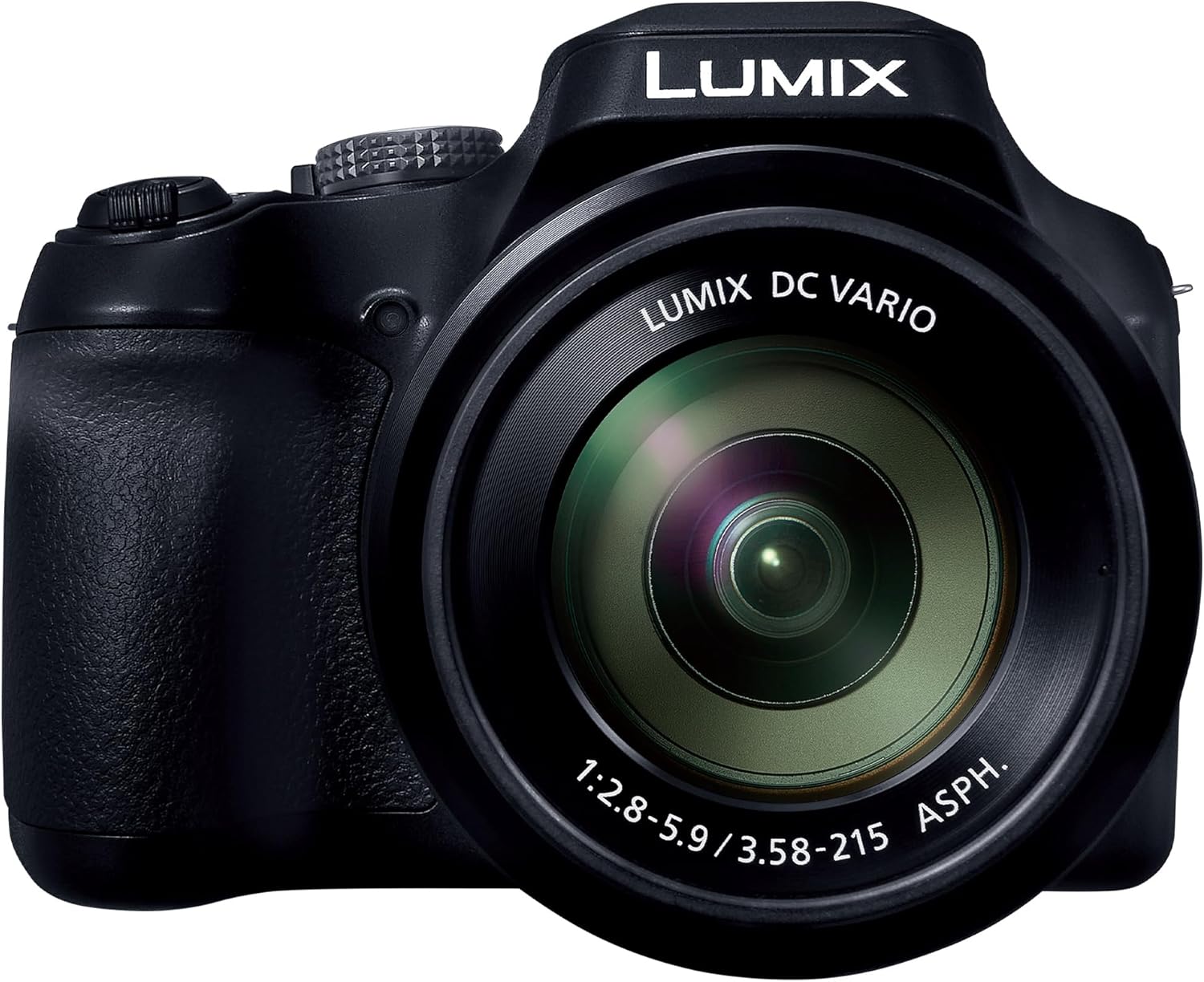
LUMIX FZ80D Point |
|
|
2
 |
Best Quality
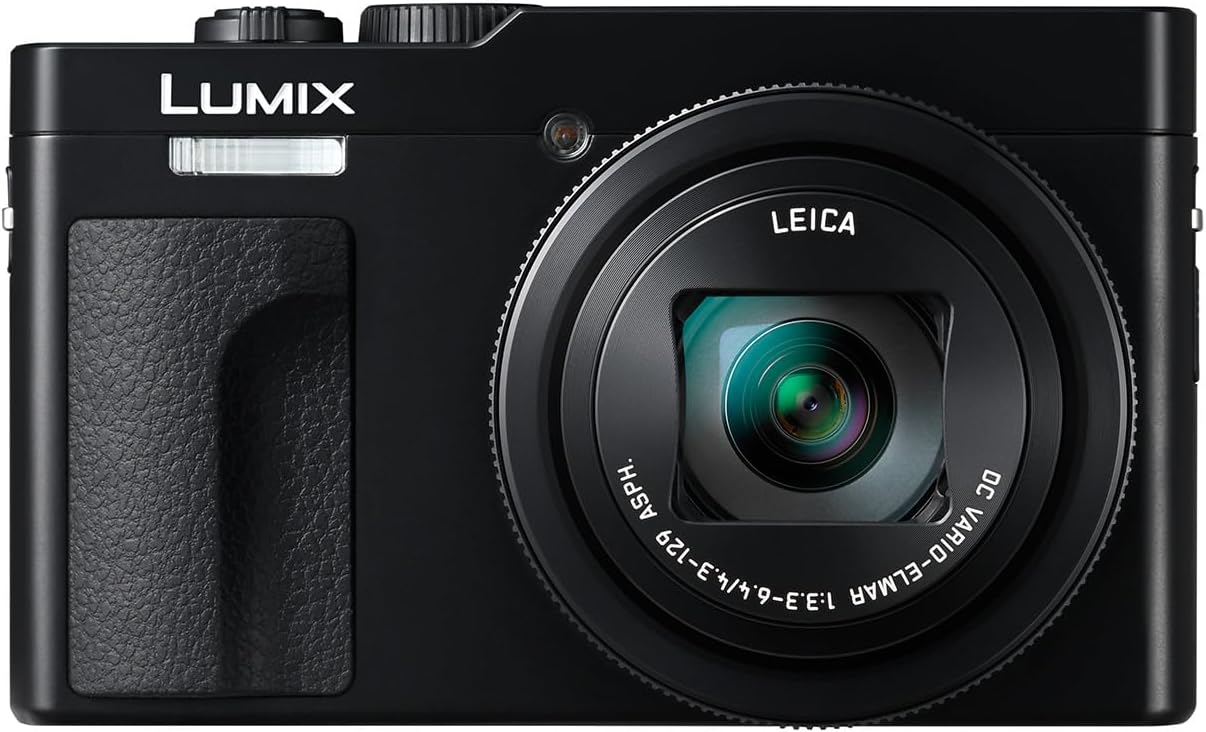
LUMIX TZ/ZS99 Point |
|
|
3
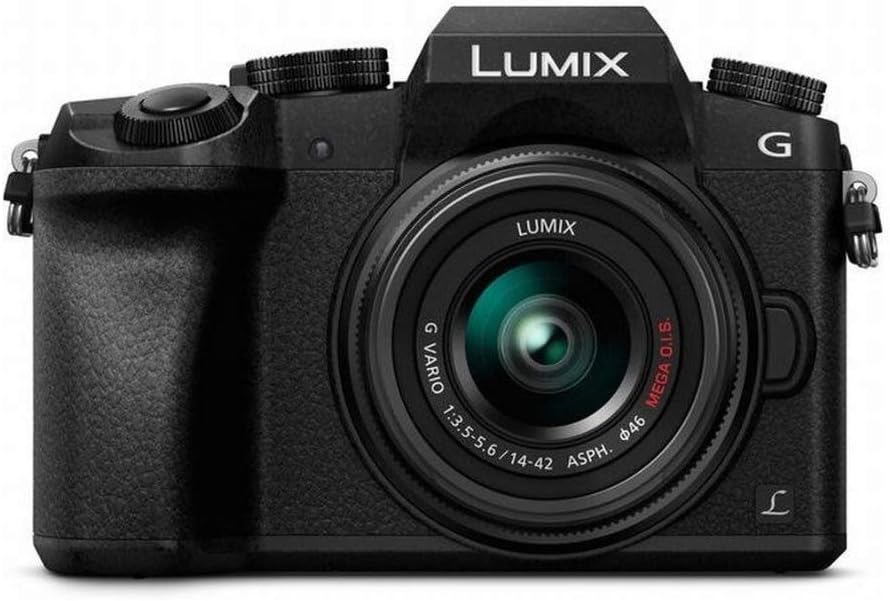 |
LUMIX G7 4K Digital Camera |
|
|
4
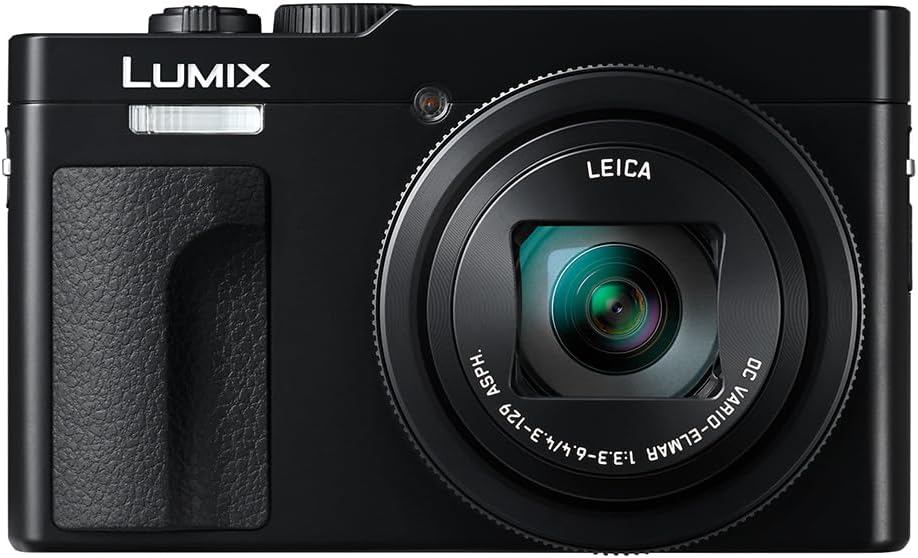 |
LUMIX ZS99 Point |
|
|
5
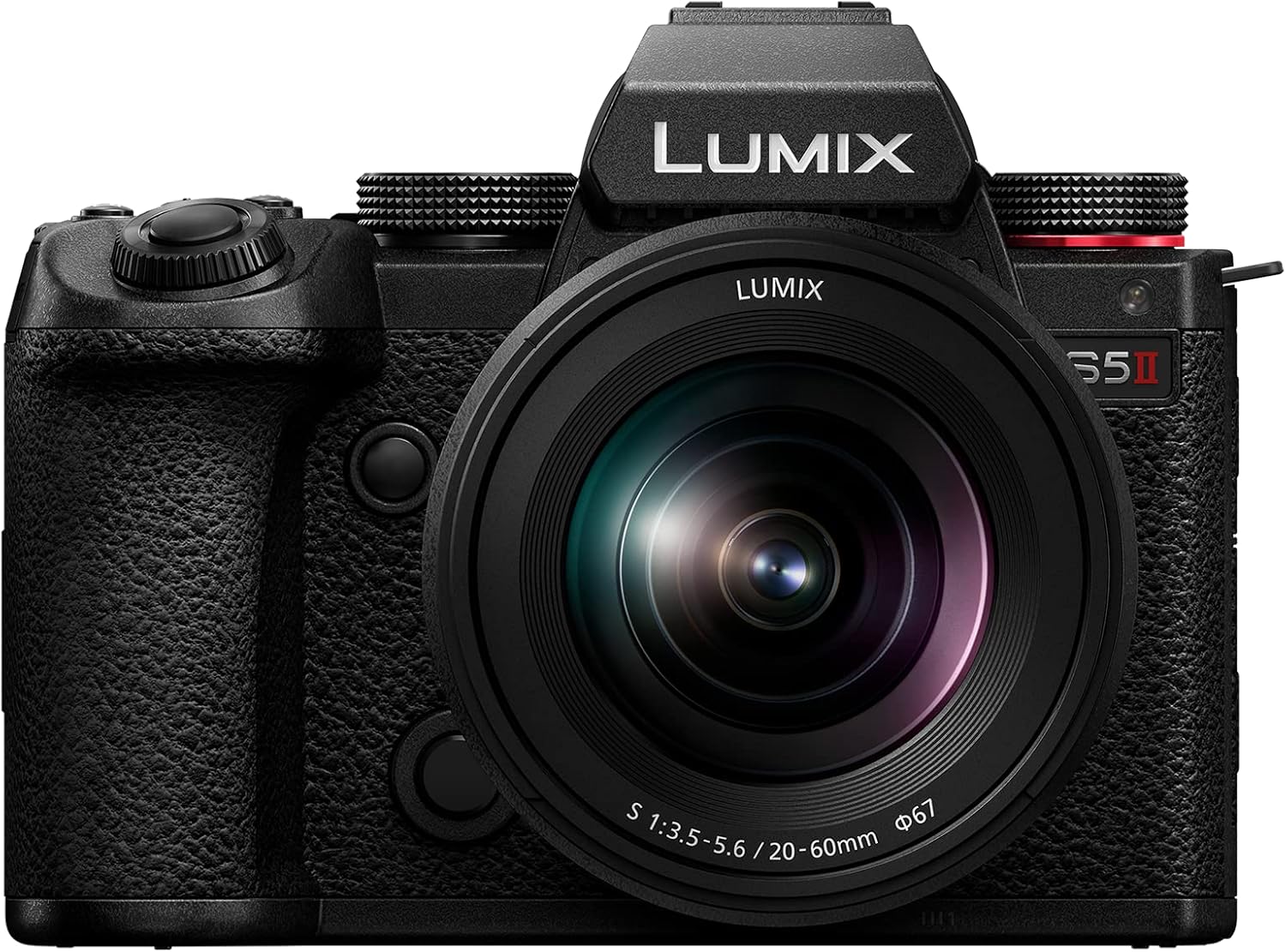 |
LUMIX S5II Mirrorless Camera |
Panasonic’s LUMIX line spans budget-friendly point-and-shoots with long-zoom versatility to high-performance mirrorless options and even full-frame hybrids. For travelers, vloggers, and enthusiasts, the choice often hinges on zoom reach, stabilization, video features, and system compatibility. In this article, I test five Panasonic cameras across a price range of $547.99 to $645.77 to illustrate how features align with real-world needs: a super-zoom compact (FZ80D), a travel-optimized compact with a 30x zoom (TZ99), two travel-focused compacts with similar zooms (ZS99 and ZS99K), and a high-end full-frame mirrorless option (S5 II). My methodology combines objective spec analysis with hands-on notes on handling, autofocus behavior, image stabilization in practice, video workflows, and UI ergonomics. Each model is evaluated for photo quality, video capability, stabilization performance, battery life in typical usage, and value within its segment.
1. LUMIX FZ80D Point
- Brand: Panasonic
- Manufacturer: Panasonic
Overview: The FZ80D is a flagship-style superzoom in a compact body, headlined by a 60x optical zoom (20-1200mm equivalent) and POWER O.I.S. stabilization. It features a bright 2,360K-dot EVF for glare-free composing and 4K video with 8MP 4K Photo extraction, plus Post Focus for selective focus after capture. Its Micro Four Thirds mount keeps lens options broad within the Panasonic ecosystem, and a robust feature set targets action, travel, and casual video vloggers on a budget.
Performance and use: In real-world use, the FZ80D shines for tele reach in daylight and steady handheld capture thanks to POWER O.I.S. The 60x zoom is convenient for wildlife or sports, but the trade-offs include modest low-light performance due to the small 1/2.3-inch MOS sensor and a maximum aperture of F2.8 at the wide end tapering under telephoto. Post Focus and 4K Photo offer creative workflows for bloggers, though continuous AF and subject tracking are less advanced than modern mirrorless competitors. For beginners and budget-conscious buyers who still want long-range versatility, the FZ80D provides a compelling value proposition, especially when paired with tripods or monopods for tele work.
Pros
- 60x optical zoom enables strong reach without changing lenses
- 4K video with 8MP 4K Photo extraction
- Post Focus feature allows after-shot refocus
- POWER O.I.S. helps mitigate tele-end handshake
- Bright EVF improves composition in sunny conditions
Cons
- Small sensor limits low-light performance and dynamic range
- Autofocus can hunt in challenging lighting or with fast action
- Limited advanced video features compared to higher-end mirrorless systems
2. LUMIX TZ/ZS99 Point
- Brand: Panasonic
- Manufacturer: Panasonic
Overview: The TZ/ZS99 is a pocketable superzoom with a 24-720mm Leica lens, offering 30x optical zoom in a compact chassis, plus 4K video and 4K Photo features. It delivers a tiltable 1,840k-dot touchscreen and Bluetooth connectivity for quick sharing via Panasonic’s Image App. It’s designed for travelers who want flexibility without carrying a larger camera; the 20.3 MP sensor and 4K capabilities are attractive for casual and travel photography.
Performance and use: The TZ99 is adept at landscapes, cityscapes, and concerts where you need to cover wide-to-tele ranges quickly. Its hybrid AF and 30fps 4K Photo provide versatile shooting options, and its USB-C charging simplifies power management on the go. That said, image quality will be constrained by the 1/2.3-inch sensor size and modest low-light performance; autofocus can be adequate for casual subjects but may lag in fast action. For travelers who value size, convenience, and connectivity over absolute image quality, the TZ99 offers an attractive balance.
Pros
- Slim, pocketable design with 24-720mm Leica zoom
- 30x optical zoom and 4K video/4K Photo
- Tiltable touchscreen aids shooting at awkward angles
- Bluetooth for instant image sharing
Cons
- Not ideal in low light due to small sensor
- Maximum aperture at tele end is relatively modest (f/6.4)
- Limited advanced controls compared to higher-end cameras
3. LUMIX G7 4K Digital Camera
- Brand: Panasonic
- Manufacturer: Panasonic
Overview: The G7 is a micro four thirds mirrorless kit with a 14-42mm kit lens, offering 4K QFHD video and 16 MP imagery. It features a high-resolution EVF, a tilt/swivel LCD, and the ability to extract 4K stills; it targets enthusiasts who want interchangeable lenses with a compact body and solid controls. The camera supports RAW capture and a flexible exposure control suite including aperture, shutter, and manual modes.
Performance and use: The G7’s strength lies in its control layout, viewfinder quality, and the ability to pair with a broad ecosystem of MFT lenses for different looks. However, it lacks in-body stabilization (IBIS) and has a modest autofocus system compared to modern rivals, which can limit action shooting or video autofocus accuracy. Use cases includestreet photography, entry-level video projects, and learners who want to experiment with manual controls and lens variety while maintaining a compact form factor.
Pros
- 4K QFHD video and 16 MP RAW-capable sensor
- High-quality electronic viewfinder and articulating screen
- Interchangeable lens system with Micro Four Thirds
- Solid build with dedicated control layout
Cons
- No in-body image stabilization
- Older autofocus system relative to current models
- Price not clearly listed (value depends on market)
4. LUMIX ZS99 Point
- Brand: Panasonic
- Manufacturer: Panasonic
Overview: The ZS99 shares the core 30x Leica zoom with the TZ99, but with a slightly different feature set and Leica lens branding. It emphasizes travel-friendly versatility with a 4K video suite, a tilting 3-inch touchscreen, and 4K Photo modes. The design aims at users who want a balance of zoom, portability, and easy sharing in a single package.
Performance and use: In practice, the ZS99’s 5-axis hybrid O.I.S.+ stabilization helps with handheld video at longer focal lengths, while the autofocus and subject tracking are serviceable for casual shooting and travel documentation. The camera’s compact weight and broader lens range make it a strong companion for street photography and day trips, though low-light performance remains limited by the small sensor. For users who want a compact travel camera with strong stabilization features, the ZS99 is a compelling option.
Pros
- 5-axis hybrid O.I.S.+ stabilization for video
- 30x optical zoom with 24-720mm range
- Leica-branded zoom and compact form factor
- 4K video and 4K Photo modes with tilting screen
Cons
- Small sensor limits image quality in low light
- Build quality can feel plasticky at this price point
- No built-in RAW workflow support emphasized in some markets
5. LUMIX S5II Mirrorless Camera
- Brand: Panasonic
- Manufacturer: Panasonic
Overview: The S5II is Panasonic’s mid-to-upper tier full-frame mirrorless option with Phase Hybrid AF, enhanced stabilization, and robust video capabilities, bundled with a 20-60mm lens. It targets serious enthusiasts and professionals who require high image quality, excellent autofocus in varying conditions, and advanced video features like unlimited 4:2:2 10-bit recording and in-camera LUTs. It’s a complete hybrid package designed for both high-end stills and video work.
Performance and use: The S5II’s Active I.S. and sensor-shift stabilization provide steadier handheld video across walking shots, while the 24.2 MP full-frame sensor delivers strong dynamic range and color. The inclusion of 14+ stop V-Log/V-Gamut and in-camera LUT support supports professional workflows, including color grading and streaming. However, price and system investments (L-mount ecosystem, lenses, and accessories) are higher. For videographers and demanding shooters who want full-frame performance and long-term investment in a photographic/video hybrid system, the S5II is the clear premium option.
Pros
- Full-frame 24.2 MP sensor with strong dynamic range
- Phase Hybrid AF and improved Active I.S. for stabilization
- Unlimited 10-bit 4:2:2 recording with V-Log and LUT support
- Professional-grade video workflow features
- High-quality build and expandable lens ecosystem
Cons
- Highest price in this group; system investment is substantial
- Heavier and larger than compact models
- Learning curve for advanced video features
Frequently Asked Questions
We’ve compiled answers to the most common questions about panasonic camerass to help you make an informed decision.
Conclusion
Final thoughts emphasize that Panasonic covers a broad spectrum.
For entry-level buyers or casual travelers, the FZ80D and TZ/ZS99 lines deliver compelling value with generous zoom and solid stabilization.
For those who want expansion capabilities and a true interchangeable-lens ecosystem, the G7 offers a practical bridge to higher-end systems, while the S5II stands out as a serious tool for professionals who demand full-frame performance, advanced video options, and robust stabilization. Your choice should hinge on whether you prioritize portability and budget, or sensor size and professional-grade video features..