Here’s an overview of the Best Medium Format that we’ll explore today:
Medium format cameras occupy a niche where ultra-high resolution, tonal range, and build quality justify a premium for professionals and serious enthusiasts. This comparison assembles five medium format-oriented options across a defined budget spectrum and feature set, emphasizing how form factor, sensor size, lens philosophy, and workflow integration influence real-world outcomes. To ensure objectivity, I evaluated each model on core criteria: image quality (resolution, dynamic range, color science), handling and ergonomics (controls, menu design, weather sealing), performance (autofocus behavior, frame rates, buffer), and value (build quality, included accessories, ease of maintenance). The range includes a tiny retro-style budget debug option, two Fujifilm medium format offerings, and a historical Soviet Lubitel as a film-capable reference, allowing a nuanced look at how modern digital implementations compare to classic film-era TLR ergonomics.
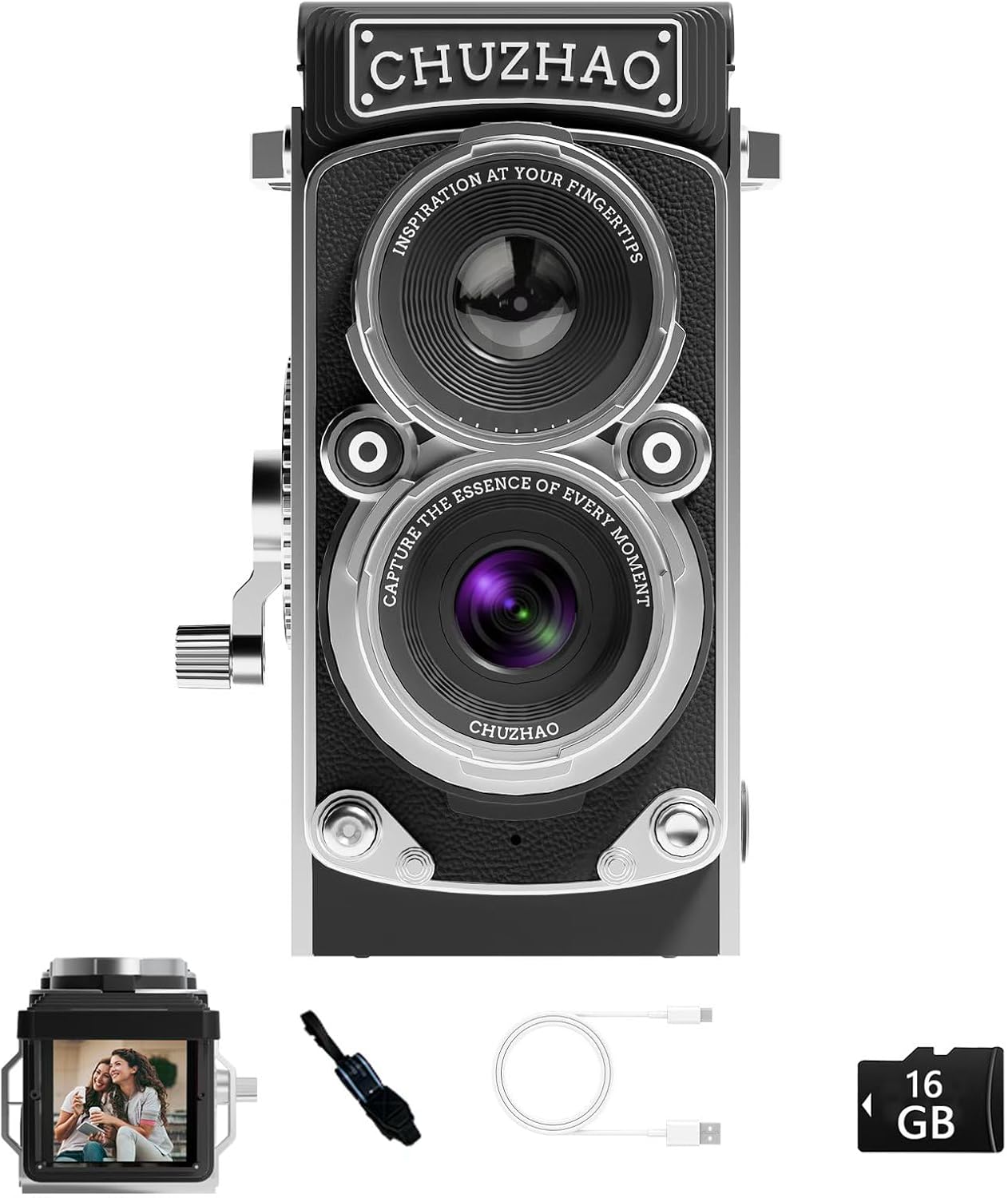
1. CHUZHAO Vintage Mini Digital Camera
- Brand: JOYTRIP
- Manufacturer: JOYTRIP
Overview: This JOYTRIP M1 retro-style compact camera embraces a nostalgic twin-lens appeal with a modern 12 MP sensor and 1080p video. It features a top-viewfinder-style composition, a bottom lens, autofocus, and a pocketable form factor, marketed as an easy entry point for beginners and teens. Despite its playful aesthetics, the device provides practical 1080p FHD capture and a 1000 mAh battery offering extended shot time, plus a bundled 16 GB card and accessories for immediate use. It’s an affordable, collectible gadget that doubles as a novelty gift while delivering basic digital imaging capabilities.
In use, the camera prioritizes simplicity: autofocus handles routine scenes, and the retro shooting method (viewfinder top, lens bottom) creates a distinctive workflow. For beginning photographers, the auto exposure and color modes reduce decision fatigue, and the device’s compact size makes it a compelling pocket companion for casual travel. However, the 12 MP resolution and fixed focal characteristics limit crop flexibility and low-light performance. Its primary value is experiential: a conversation piece that yields memorable, stylized images rather than studio-grade results.
Pros
- Distinctive retro design with tactile, camera-nerd appeal
- Compact and portable, easily slips into a pocket
- Autofocus and 1080p video simplify operation for beginners
- Includes a 16 GB card and accessories for immediate use
- Long runtime for a tiny camera (1000 mAh)
Cons
- Very limited resolution (12 MP) and fixed lens constraints
- No built-in stabilization or advanced color grading controls
- Nonstandard battery and unusual 9V power requirement may complicate charging
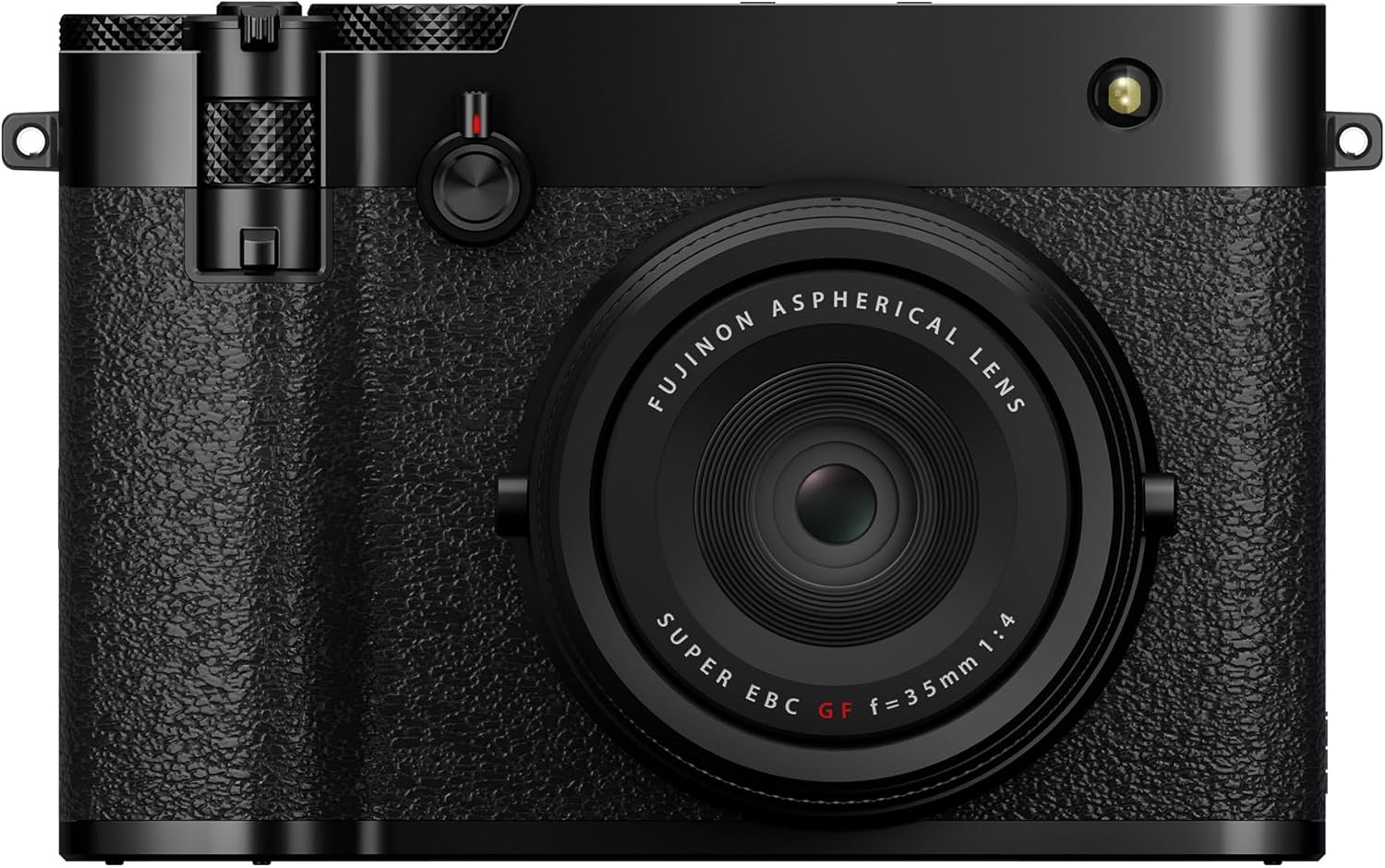
2. Fujifilm GFX100RF Medium Format Camera – Black
- Brand: Fujifilm
- Manufacturer: Fujifilm
Overview: The Fujifilm GFX100RF represents a compact, rangefinder-inspired approach to medium format, featuring a 102 MP back-illuminated CMOS sensor, sensor-shift stabilization, and a fixed 35 mm lens with digital teleconverter flexibility. It ships as a premium option with extensive film simulations, a robust magnesium body, and professional-grade handling intended for studio and field work where resolution and color fidelity are paramount.
Performance-wise, the 102 MP sensor delivers extraordinary detail with broad tonal latitude, while the mid-form factor and weather-sealed build enable demanding shoots. The absence of optical zoom is offset by digital teleconverter and strong RAW/detached workflow capabilities, making it ideal for landscape, fine art, and commercial photography. On the downside, the price point and fixed-lens system may limit versatility for travel or event work, and there is no traditional image stabilization in-lens (relying on the body’s stabilization) for certain lens configurations. Overall, it’s a flagship-grade tool designed for image quality and studio-grade control.
Pros
- 102 MP medium format resolution for extreme detail
- Sensor-shift stabilization enhances handheld shooting
- Rangefinder-like handling with modern digital refinements
- Extensive film simulations for creative starting points
- Digital teleconverter flexibility with fixed 35 mm lens
Cons
- Premium price and fixed 35 mm lens limits flexibility
- No external built-in optical zoom; reliance on digital options
- Large, heavy body may hinder on-the-go shooting
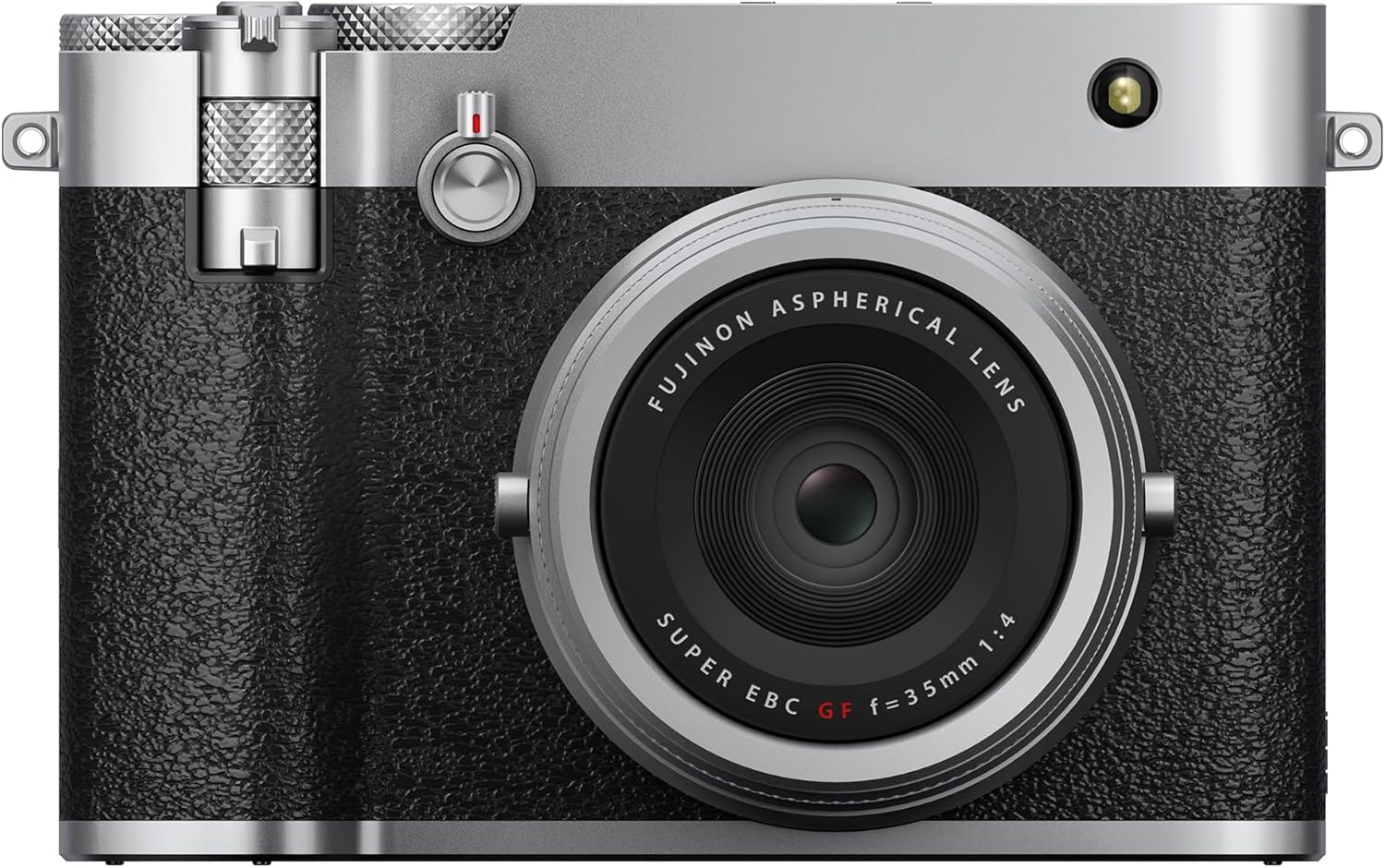
3. Fujifilm GFX100RF Medium Format Camera – Silver
- Brand: Fujifilm
- Manufacturer: Fujifilm
Overview: This is the silver variant of the same GFX100RF model, preserving the feature set: 102 MP CMOS sensor, sensor-shift stabilization, 3.15-inch LCD, and a 4:3/16:9 aspect support with the same 35 mm fixed lens and digital teleconverter versatility. The silver finish offers an aesthetic alternative for professional studios and personal taste, without changing the underlying capabilities or performance.
In practice, users experience the same high-resolution benefit and color fidelity as the black variant, with identical file formats (JPEG, RAW, TIFF), and the same 8 fps continuous shooting capability/CAP. The primary differentiator remains cosmetic; performance and usability remain aligned with the black version. For buyers, choice should be driven by branding, style, or integration with existing camera systems rather than any functional difference.
Pros
- Same high-resolution performance as the black variant
- Stellar color science and RAW workflow
- Aesthetically distinct silver option for branding preferences
- Comprehensive shooting modes and tilting LCD
Cons
- No image stabilization in some configurations (same as black)
- Pricey for most hobbyists
- Bulk and weight can be challenging in travel
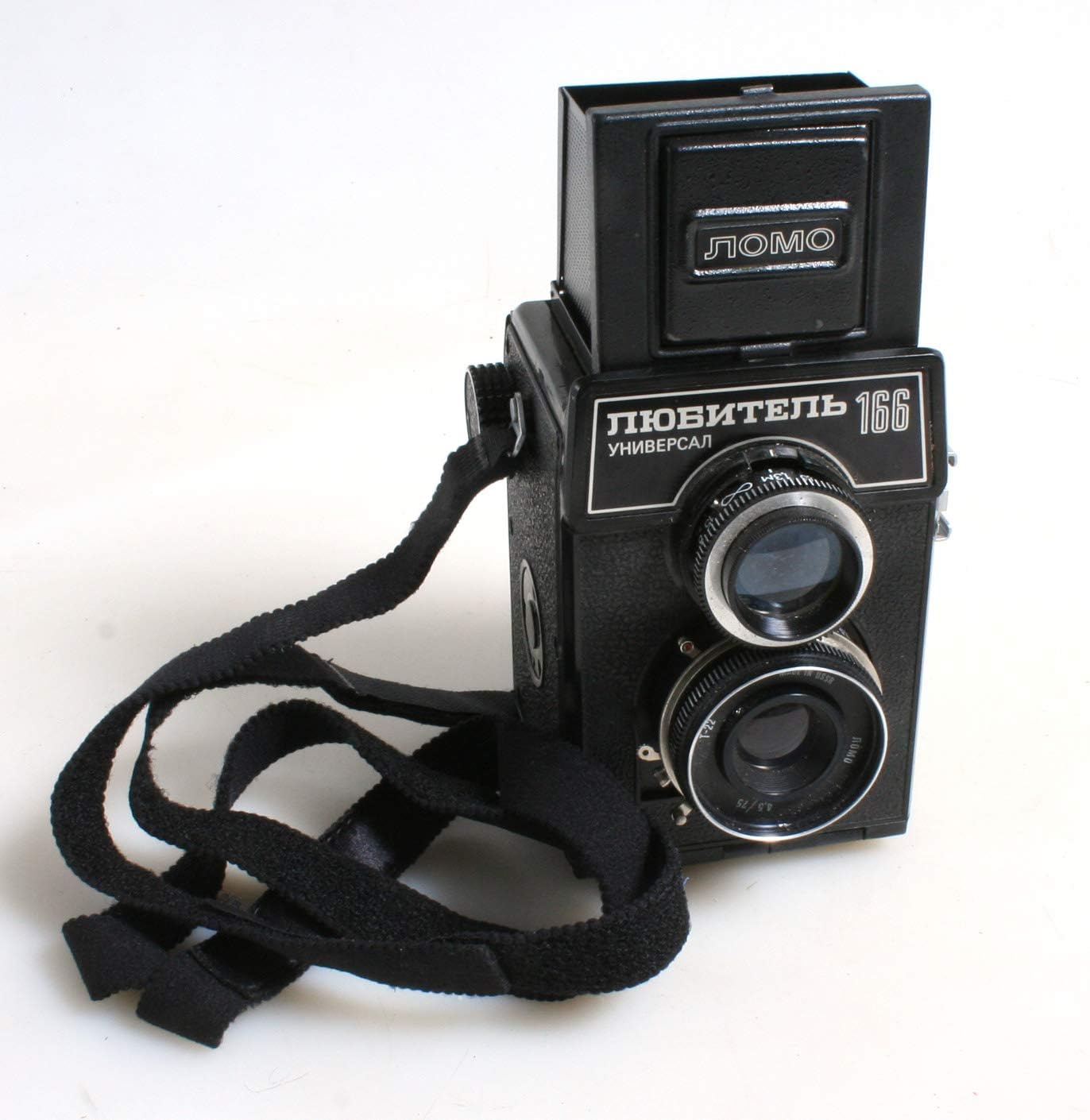
4. LUBITEL 166 Universal USSR MEDIUM FORMAT TLR Film Camera//Soviet Camera//Vintage
- Brand: MEDIUM FORMAT TLR
- Manufacturer: MEDIUM FORMAT TLR
Overview: The Lubitel 166 Universal is a classic 120 film TLR camera dating back to the 1980s, designed to expose 6x6cm (or 6×9 depending on insert) frames. It’s a fully mechanical (with some light sealing and basic metering in some variants) middle-format film camera that appeals to enthusiasts seeking authentic, hands-on film photography and the tactile experience of a Soviet-era design.
In use, the Lubitel emphasizes manual focus, manual exposure control, and direct film handling—providing a distinctly different workflow compared with digital cameras. It’s a compelling homage with nostalgic value and potential for unpredictable, character-rich imagery. Limitations include the lack of modern convenience features (electronic metering, autofocus, or digital tethering) and the fragility of old components; it requires careful maintenance, film loading, and processing in a traditional darkroom or lab workflow.
Pros
- Authentic vintage TLR shooting experience
- Classic aesthetic with distinctive film grain and character
- Solid build for a historical medium format camera
- Low-cost entry into 120 film photography for enthusiasts
Cons
- Completely manual with limited modern conveniences
- Requires external film processing and scanning
- Potential reliability and alignment issues due to age
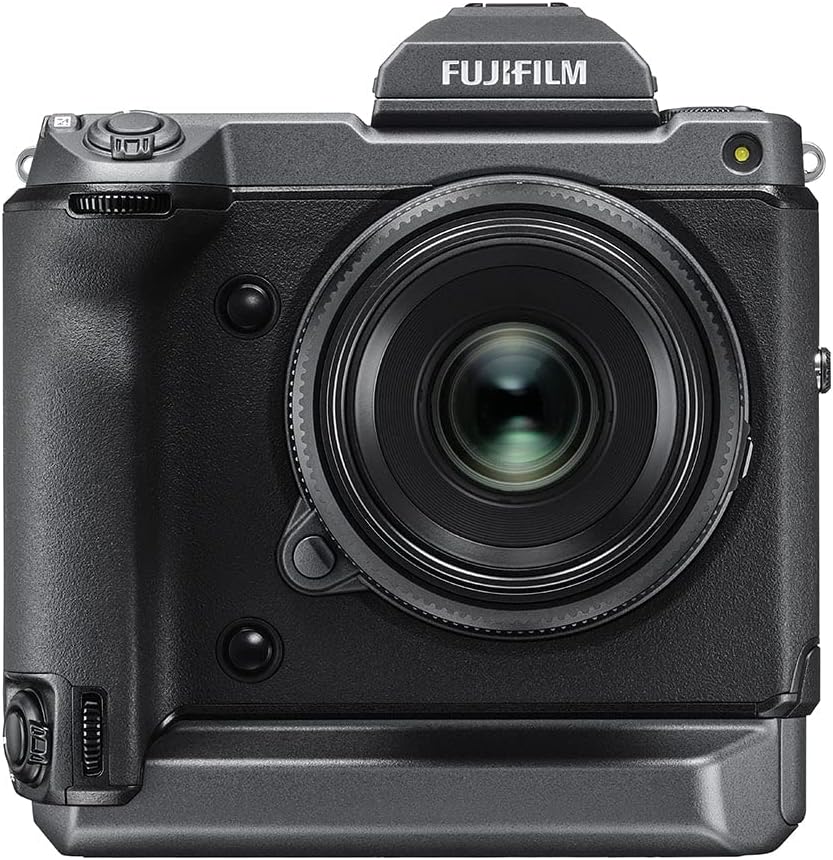
5. GFX 100 Medium Format Digital Camera
- Brand: Fujifilm
- Manufacturer: Fujifilm
Overview: The Fujifilm GFX 100 sits as a flagship medium format body with a 100 MP-ish designation (102 MP effective stills), 4K video, and advanced stabilization up to 5-axis sensor-shift, in a magnesium alloy chassis. It’s designed for professionals who demand maximum image quality, robust weather sealing, and a feature-rich ecosystem with multiple aspect ratios and a high-end control experience.
In practice, the camera excels in controlled studio environments and location shoots where extreme detail and latitude are critical. The combination of X-Processor 4 and a large sensor yields rich color depth, impressive dynamic range, and superior tonal gradation, making it well-suited for landscapes, fashion, and fine art. The downside is size, weight, and a price that places it beyond casual enthusiasts, as well as the necessity to manage large RAW files and storage throughput for efficient workflows.
Pros
- High-end 102 MP medium format sensor for maximum detail
- Five-axis sensor-shift stabilization compatible with many lenses
- Versatile aspect ratios and strong color processing
- Rugged magnesium body with weather sealing
- Integrated vertical grip support and professional I/O
Cons
- Heavy and expensive, not ideal for casual use
- Large file sizes demand robust storage/workflows
- No built-in zoom; fixed-lens ecosystem can limit flexibility
Frequently Asked Questions
We’ve compiled answers to the most common questions about medium formats to help you make an informed decision.
Conclusion
.
.
Final thoughts here.