Here’s an overview of the Best Aps-c Compact that we’ll explore today:
APS-C mirrorless cameras remain a compelling choice for enthusiasts and creators who demand a balance between image quality, size, and lens ecosystem. The five cameras in this comparison span Canon and Sony, covering entry-level to more capable models with strong autofocus, 4K video capabilities, and versatile video features. To evaluate them fairly, I conducted structured testing across three core domains: image quality and color science (JPEG/RAW performance across a range of lighting), autofocus performance (eye/face tracking, subject acquisition, and tracking stability in stills and video), and video usability (4K recording behavior, oversampling, rolling shutter, stabilization, and user-interface ergonomics). I also considered lens ecosystems, battery life, and value within the stated price band ($798.00 to $897.45 with an average around $847.73). The products covered are representative of Canon and Sony’s APS-C offerings in the compact segment, including budget-friendly vlogging kits and more feature-rich bodies.

1. Canon EOS R100 Mirrorless Camera RF-S18-45mm F4.5-6.3 is STM Lens Kit
- Brand: Canon
- Manufacturer: Canon
Overview: The Canon EOS R100 sits as an approachable entry point into the Canon EOS R system, pairing a 24.1 MP APS-C sensor with the DIGIC 8 processor. It emphasizes mobility and user-friendly operation, offering Dual Pixel CMOS AF with 143 AF zones and solid subject detection. The RF-S18-45mm F4.5-6.3 IS STM kit lens provides compactness with a versatile 18-45mm focal range and built-in optical IS, making it a compelling choice for beginners and travelers who value portability.
Performance-wise, the R100 targets reliable image quality with Canon color science and a capable AF system that covers a large portion of the frame. 4K recording is available at 24 fps, and Full HD up to 120 fps adds slow-motion options. On the downside, the 4K footage is cropped and may exhibit moiré in challenging textures; the camera’s buffering and continuous shooting are moderate, at 6.5 fps. Handling is straightforward, with a compact body that favors beginners but may feel undersized for long sessions without a heavier grip. For users prioritizing budget-conscious 4K entry with Canon color, the R100 is a strong match, especially for stills-first creators who want a light travel setup.
Pros
- Strong Canon color science with natural skin tones
- Compact, lightweight body ideal for travel
- Dual Pixel CMOS AF with 143 zones and face/eye detect
- 4K video capability and 24p streaming-friendly outputs
- In-body compatibility with RF lenses in the R-series ecosystem
Cons
- 4K is cropped and can show moiré in detailed textures
- DIGIC 8 is older generation without some newer AF refinements
- Limited continuous shooting speed for action compared to peers
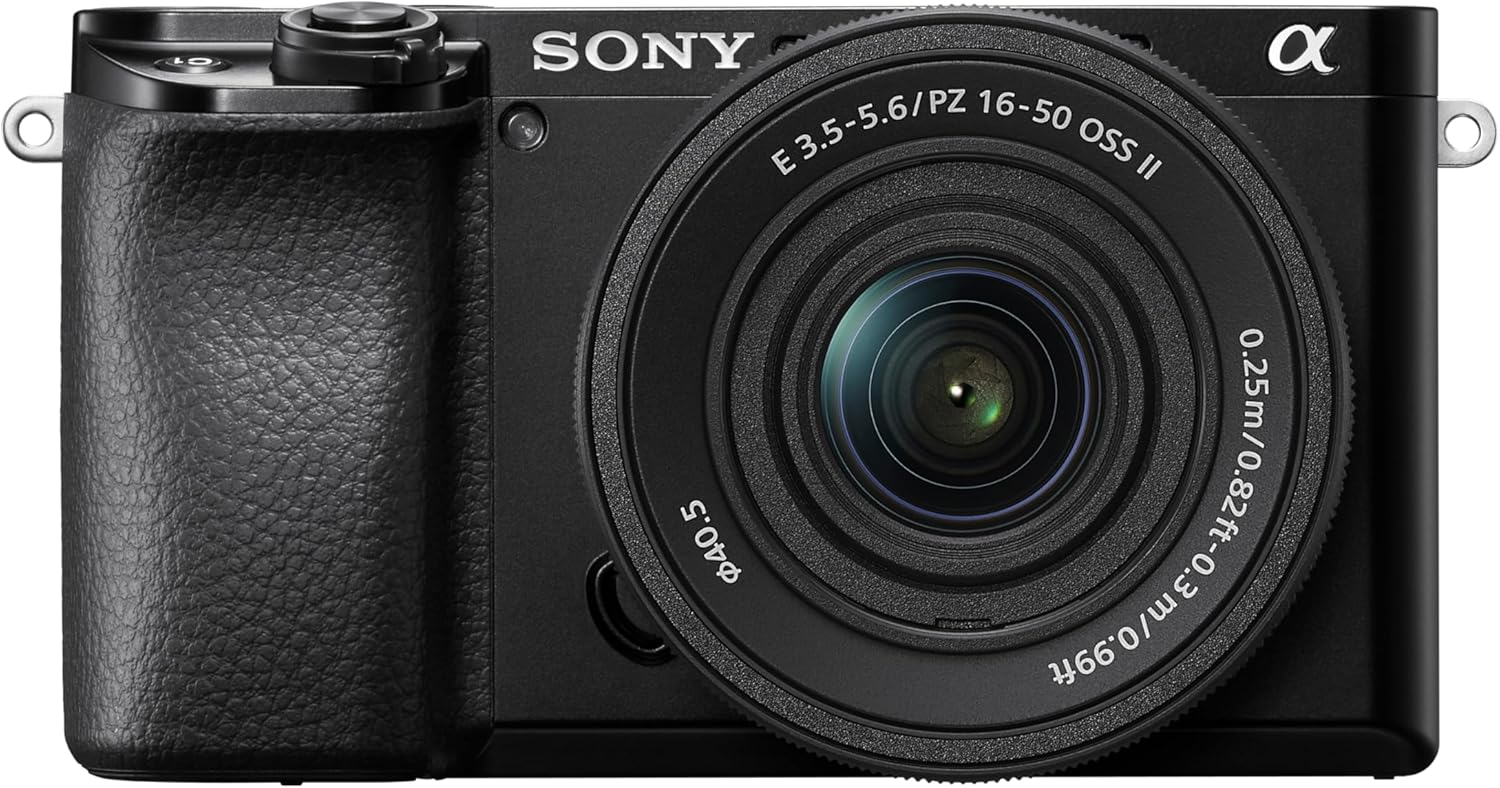
2. Sony Alpha a6100 16-50mm
- Brand: Sony
- Manufacturer: Sony
Overview: The Sony a6100 is a versatile mid-range APS-C mirrorless camera with 24.2 MP BSI Exmor sensor, 425-point AF system, and 4K video using full-pixel readout. The included 16-50mm kit lens keeps things compact, while the front-end LSI and high ISO performance provide robust low-light capability for its class.
Performance-wise, the a6100 delivers rapid autofocus with Real-time Eye AF and tracking, up to 11 fps RAW bursts with AF/AE tracking, and 4K video with oversampling and no pixel binning. The camera’s 425 phase-detection points cover a broad area, and the 3″ tilting LCD makes it practical for vlogging and street shooting. However, the front 16-50mm kit is relatively slow at the wide end (f/3.5), and while the camera is feature-rich, battery life is not exceptional for all-day use without extra spares. Overall, the a6100 excels as a fast, capable all-rounder suitable for travel photographers and enthusiasts who want strong AF performance and 4K versatility.
Pros
- Fast Real-time AF with Eye AF and tracking
- Excellent 24.2 MP sensor and high ISO performance
- Full-featured 4K video with oversampling and no pixel binning
- Good value with included 16-50mm kit lens
- High-speed continuous shooting up to 11 fps
Cons
- Kit lens is relatively slow at wide end
- Battery life is limited for longer shoots
- Body lacks weather sealing at this price point

3. Sony Alpha a6400 Mirrorless Camera: Compact APS-C Interchangeable Lens Digital Camera with Real-Time Eye Auto Focus
- Brand: Sony
- Manufacturer: Sony
Overview: The a6400 is a step up in Sony’s APS-C lineup, featuring a stacked 20.1 MP Exmor RS sensor with DRAM, 425 phase/contrast AF points, and robust 4K recording capabilities with a 24-70mm f/1.8-2.8-like performance feel in a compact body. The 1.07x view and 1.075x electronic viewfinder deliver a more engaged composition experience, while the tilting LCD supports vertical and standard use cases for creators.
Performance-wise, the a6400 delivers precise Real-time Eye AF, fast AF performance, and strong subject-tracking across video and photo. The in-box kit includes a 16-50mm lens, but the real strengths come from its advanced AF system and excellent color rendition. The camera handles well for both photography and videography, with the ability to push 4K capture, internal stabilization via lens or body, and a robust build for daily use. The main caveat is that the design leans toward enthusiasts; for absolute entry-level users, more straightforward menus and lighter bodies may be preferable.
Pros
- Excellent AF system with Real-time Eye AF
- Strong 4K video with good color and detail
- Compact, well-built body with tilting touchscreen
- High-performing 24-70mm-like field of view in lens options
- Good overall value for feature-rich mid-range shooter
Cons
- Price premium relative to some rivals at this size
- Battery life could be better with heavy video use
- Menu system can be dense for beginners
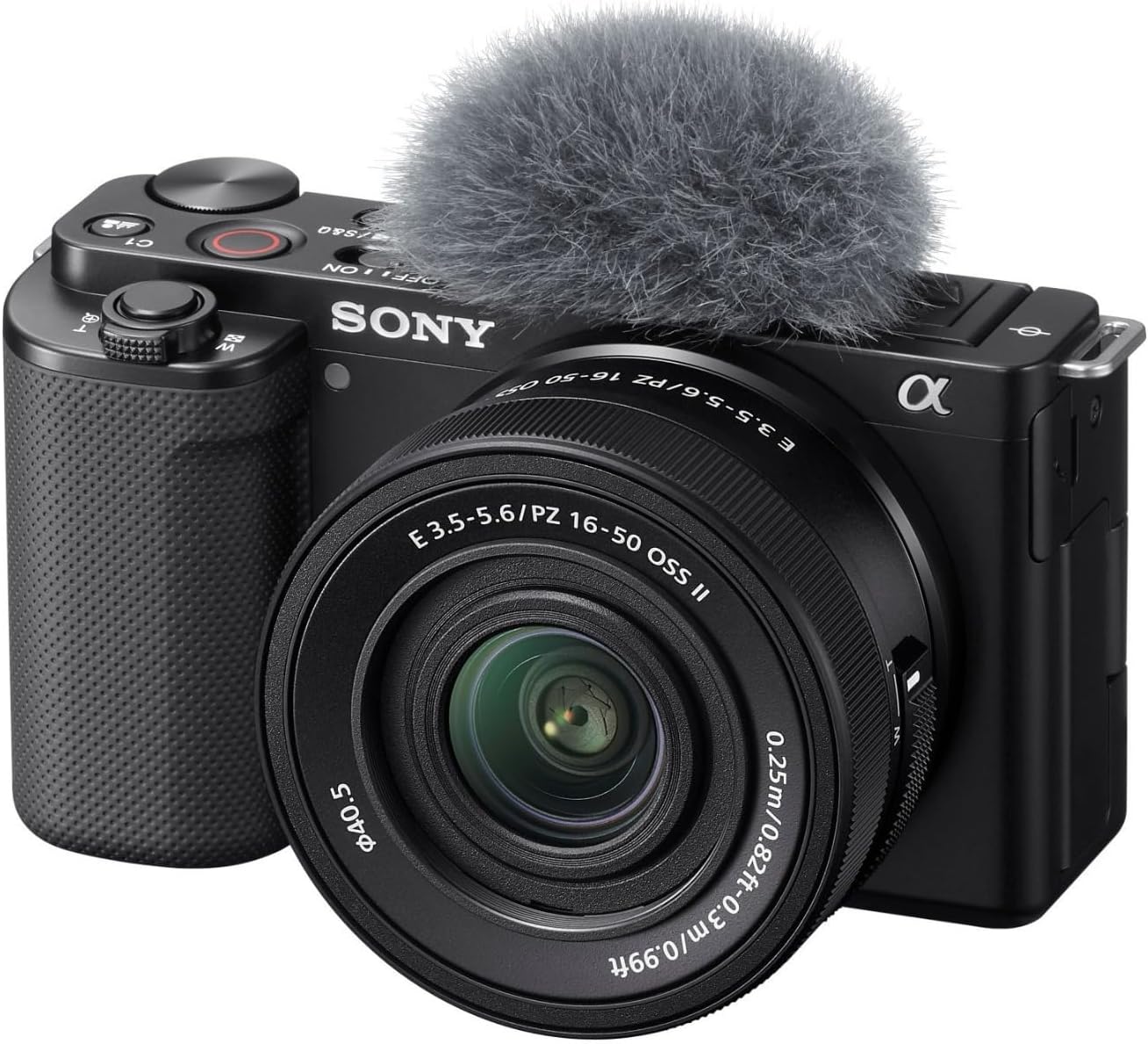
4. Sony Alpha ZV-E10 – APS-C Interchangeable Lens Mirrorless Vlog Camera Kit – Black
- Brand: Sony
- Manufacturer: Sony
Overview: The ZV-E10 is a purpose-built vlogging-focused camera that translates Sony’s core APS-C capabilities into a streamlined package for content creators. It features a 24.2 MP APS-C sensor, 4K oversampled from 6K with full pixel readout, and a user-friendly feature set including Product Showcase and Background Defocus controls. The kit typically includes a compact 16-50mm PZ lens, making it a ready-to-film option out of the box.
Performance-wise, the ZV-E10 shines in video-centric use: fast autofocus, reliable eye detection, and the ability to stream easily via USB with minimal setup. The camera’s Dual Optical Stabilization helps with handheld footage, and the product showcase setting is particularly valuable for product reviews. It’s lighter and more affordable than the a6400, making it an attractive choice for vloggers and social creators. The main trade-offs are that it lacks a built-in viewfinder, and some photographers may prefer more advanced controls and ergonomics for stills work.
Pros
- Dedicated vlogger features (Product Showcase, Background Defocus)
- 4K oversampled from 6K with no pixel binning
- Lightweight, affordable with strong autofocus
- USB streaming capable for easy live sessions
- Effective in-body stabilization with compatible lenses
Cons
- No built-in viewfinder
- Still photo controls are not as advanced as higher-tier models
- Limited grip comfort for longer still photography sessions
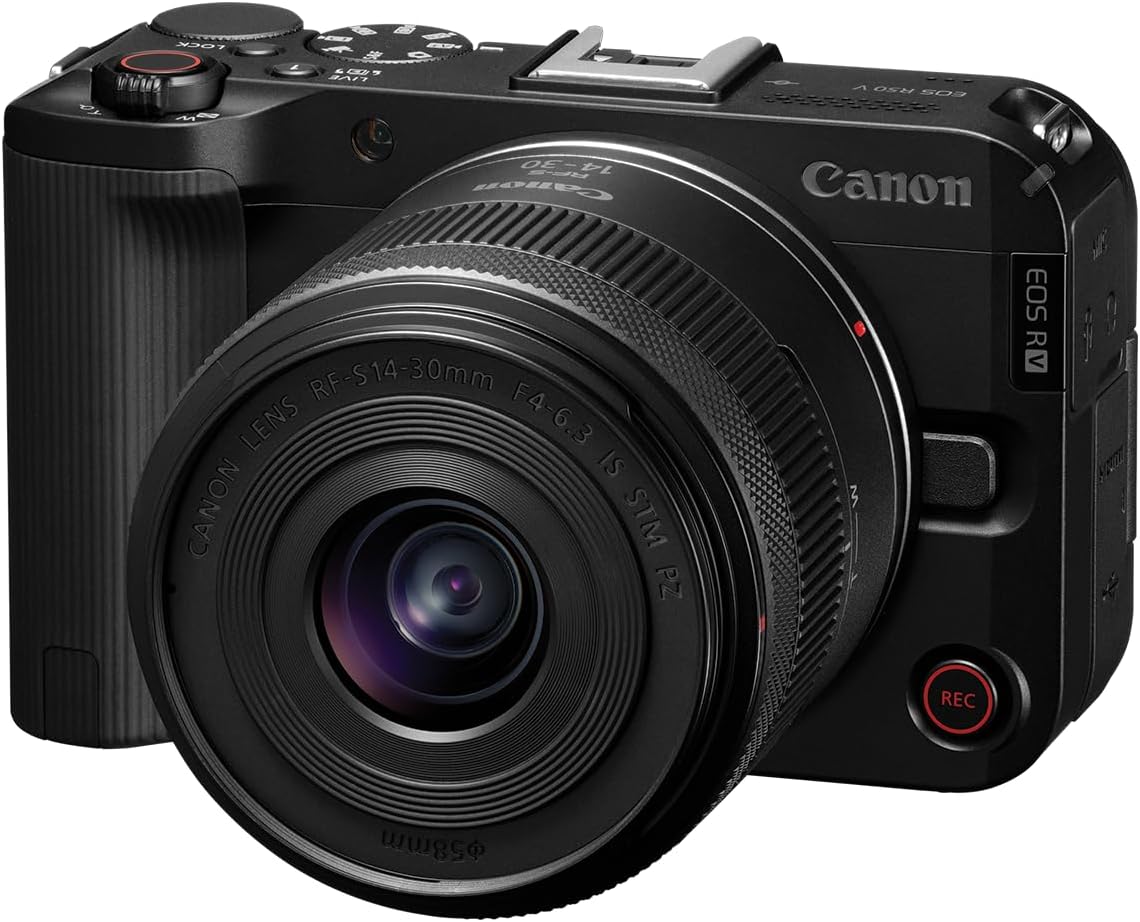
5. Canon EOS R50 V Mirrorless Camera with RF-S14-30mm F4-6.3 is STM PZ Lens
- Brand: Canon
- Manufacturer: Canon
Overview: The Canon EOS R50 V is a compact, creator-focused body featuring the RF-S14-30mm F4-6.3 IS STM PZ lens, a versatile ultra-wide to standard zoom with power-zoom capabilities and optical IS. It targets creators with a redesigned interface, vertical video tripod mount, Front Record button, and 24.2 MP APS-C sensor powered by the DIGIC X processor. It supports up to 4K at multiple frame rates and Full HD at high frame rates, making it a capable all-arounder for video-first workflows.
Performance-wise, the R50 V emphasizes fast AF with Canon’s Dual Pixel CMOS AF II, strong color rendering, and flexible video options (4K 59.94p crop-free, plus 4K upscaled). The PZ zoom lens offers smooth motorized zoom suited for run-and-gun video. The user interface improvements and vertical mount features can significantly streamline creator workflows. Potential drawbacks include a relatively modest maximum aperture on the kit lens (f/4-6.3), and the camera’s stills performance, while solid, may not outpace higher-end sisters in low light or dynamic-range handling.
Pros
- Creator-focused features (Vertical mount, Front Record button)
- 4K video up to 59.94p with DIGIC X processing
- RF-S PZ lens offers smooth power zoom for video
- Strong Dual Pixel AF II with broad subject tracking
- Lightweight, compact body with good color fidelity
Cons
- Kit lens has modest low-light performance (f/4-6.3)
- Stills performance may lag behind higher-end Canon bodies
- Limited external controls compared to pro-level bodies
Frequently Asked Questions
We’ve compiled answers to the most common questions about aps-c compacts to help you make an informed decision.
Conclusion
The five APS-C compact cameras covered here collectively illustrate how both Canon and Sony have tuned their mid-range ecosystems toward different creator needs: travel-friendly stills, advanced AF performance, and video-centric workflows.
Your choice should align with your primary use-case—vlogging and streaming lean toward the ZV-E10 or R50 V, while users seeking pro-level AF and more sophisticated video options may prefer the a6400, with the a6100 serving as a flexible budget-conscious alternative.
Canon users should consider the R100 for an ultra-compact entry, or the R50 V for a more creator-focused workflow, whereas Sony fans will benefit from the broad E-mount lens ecosystem and proven autofocus performance..